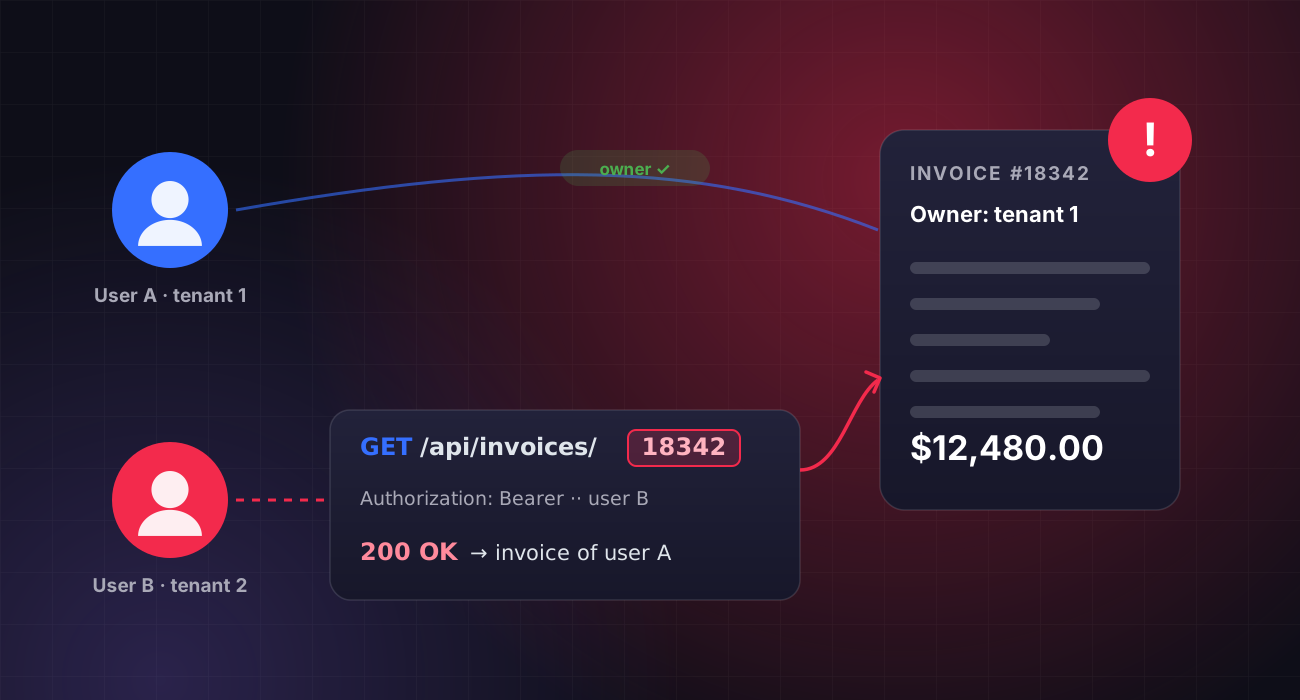
- BOLA happens when an API returns an object without checking the caller is allowed to see it.
- Scanners rarely find it, because every vulnerable request looks valid.
- The fix is an ownership check on every object, enforced on the server, tested as two users.
Broken Object Level Authorization (BOLA) sits at the top of the OWASP API Security Top 10 for a simple reason: it is easy to introduce, hard to spot in code review, and it exposes exactly the data attackers want.
This article explains what BOLA looks like in practice, why automated tools miss it, how our testers find it, and the controls that close it for good.
What BOLA looks like
An API exposes an object by ID: GET /api/invoices/18342. The server checks that the caller is logged in, then returns the invoice. It never checks that invoice 18342 belongs to the caller. Change the ID and you read someone else’s data. The same pattern appears in updates and deletes, where the impact is even worse.
Why automated tools miss it
To a scanner, a request for invoice 18343 that returns 200 OK looks exactly like a correct response. Detecting BOLA requires knowing which objects belong to which user, which means testing with at least two accounts and understanding the business meaning of each field.
How our testers find it
We map every endpoint that takes an identifier, including IDs hidden in request bodies, headers and GraphQL arguments. Then we replay each request as a second user and a lower-privileged role, and look for anything that returns, changes or deletes data the caller should not reach. Sequential IDs make this trivial; UUIDs slow attackers down but do not fix the flaw.
 PentestX in practiceFIND-0214 · /api/orders
Every fix in PentestX triggers a scoped retest, so “resolved” always means verified, with evidence attached. See how retesting works →
How to fix it properly
Enforce ownership in one place on the server: load the object, compare its owner or tenant to the caller, and refuse the request if they do not match. Prefer framework-level policies over checks scattered through controllers, and return the same 404 for “not found” and “not yours” so IDs cannot be enumerated.
Keep it fixed
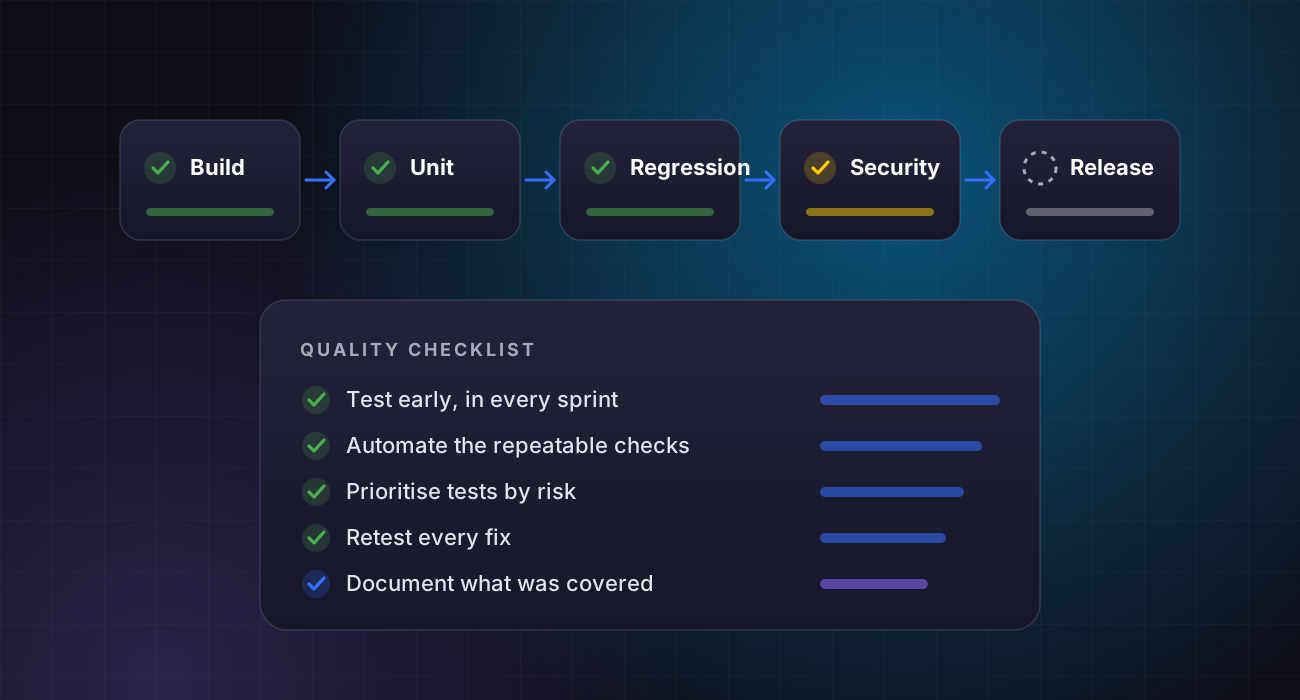
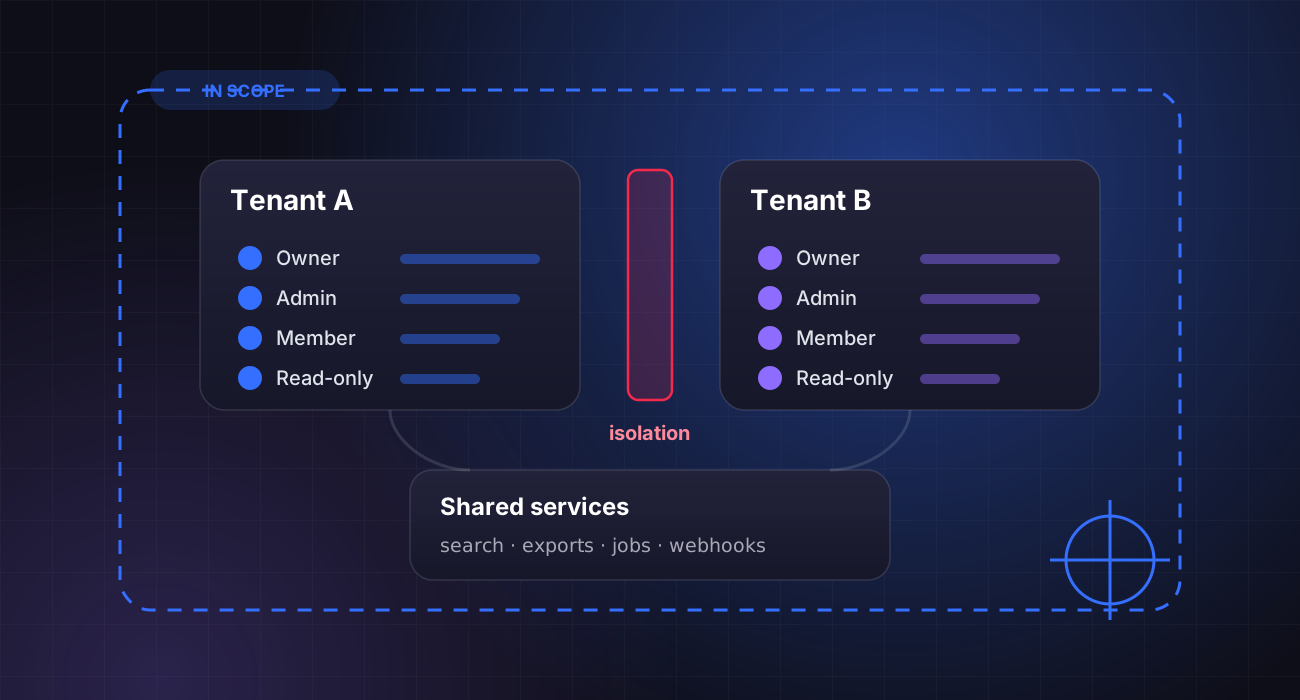
Add authorisation tests to your test suite that call every object endpoint as the wrong user and expect a refusal. Retest after every change to access control, and include tenant isolation in every API pentest scope.
PentestX API assessments test every endpoint for BOLA and BFLA as multiple users and roles, and every confirmed finding ships with request-level proof and a retest once it is fixed.