- Scope around your risk, not your architecture diagram: tenant isolation comes first.
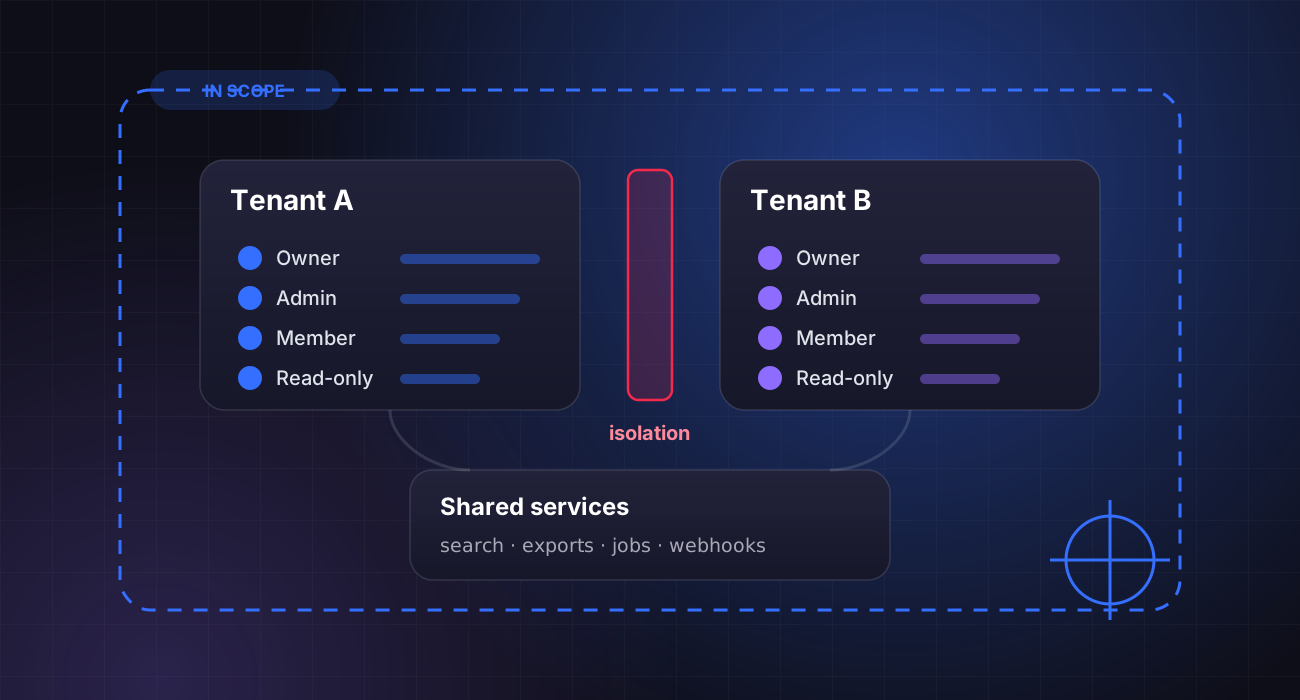
- Give testers accounts in at least two tenants and every role.
- Agree environments, limits and out-of-scope items in writing before testing starts.
A pentest is only as useful as its scope. For a multi-tenant SaaS, the biggest risk is one customer reaching another customer’s data, and a vague scope often leaves exactly that untested.
This guide walks through how we scope multi-tenant SaaS assessments so the testing time goes where your real risk is.
Start with what would hurt most
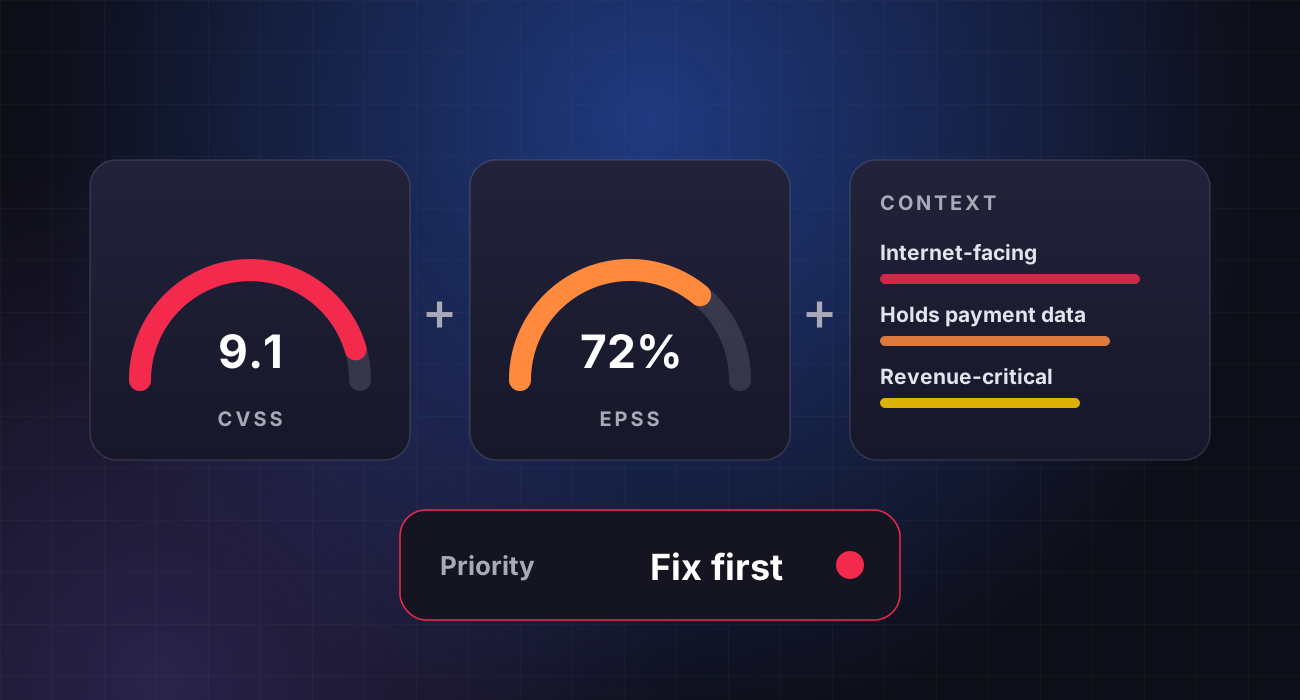
List the outcomes you most need to prevent: cross-tenant data access, privilege escalation to admin, payment or billing abuse, and account takeover. Every item in the scope should trace back to one of these.
Provide the right accounts
Testers need at least two tenants, each with every role you support: owner, admin, member, read-only and any custom roles. Without a second tenant, isolation cannot be tested at all; without each role, privilege escalation is guesswork.
Include every surface tenants touch
Scope the web app and the APIs behind it, public APIs and webhooks, mobile apps that share the backend, file uploads and exports, and SSO or SCIM integrations. Shared services such as search, reporting and background jobs are frequent sources of cross-tenant leaks.
 PentestX in practiceFIND-0214 · /api/orders
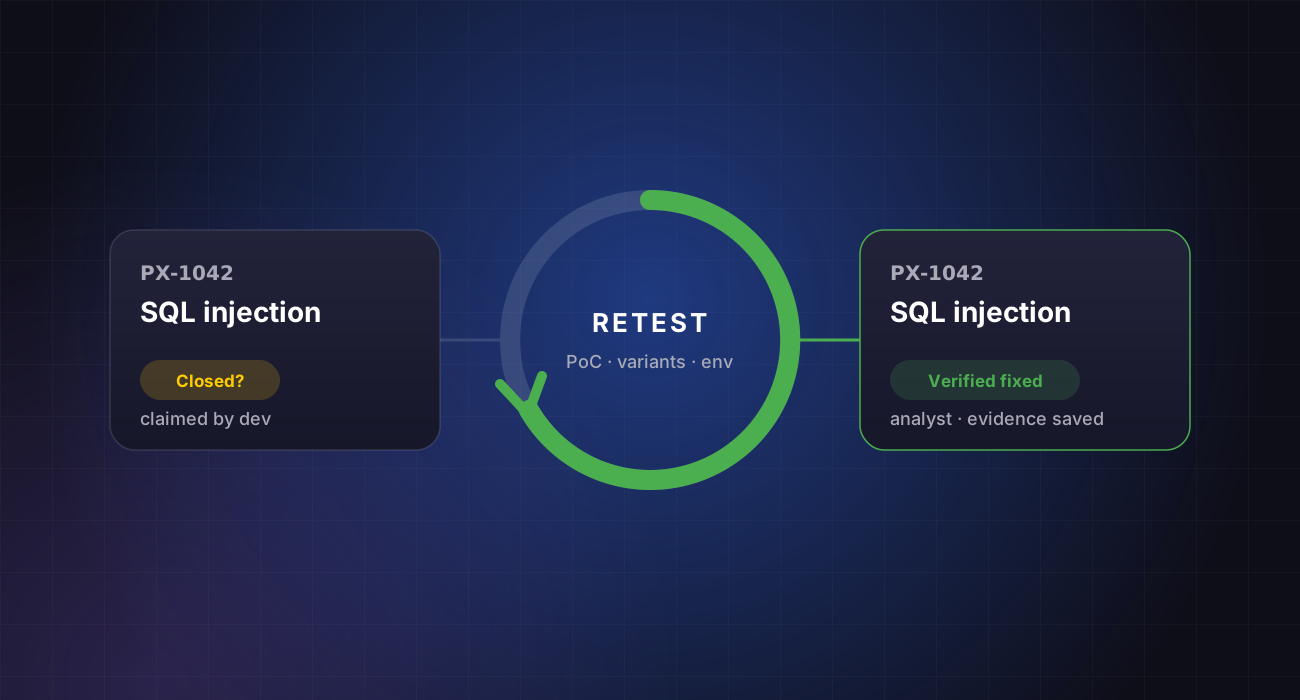
Every fix in PentestX triggers a scoped retest, so “resolved” always means verified, with evidence attached. See how retesting works →
Agree the rules of engagement
Decide which environment is tested and how closely it matches production, the testing window, rate limits, whether destructive checks are allowed, and who to call if something critical is found. Put out-of-scope items in writing so nobody wastes time or takes risks.
Plan for the retest
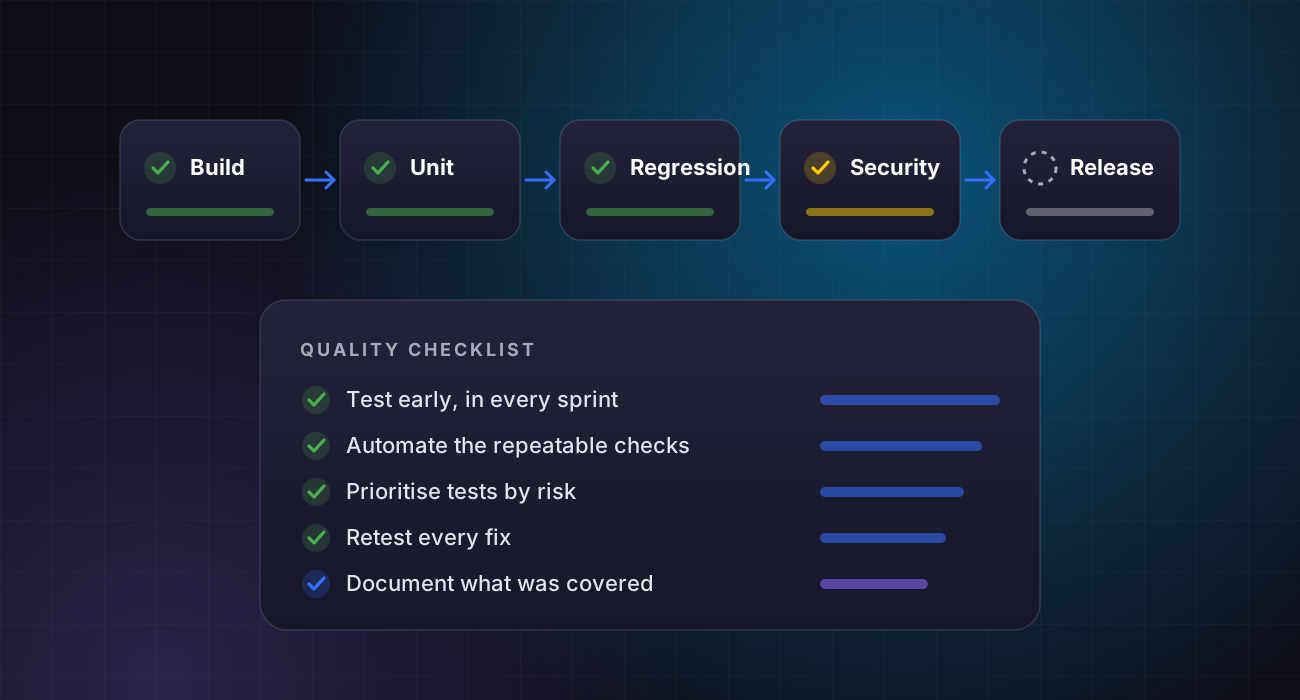
Budget time for fixes and a retest in the same engagement, so the final report shows verified fixes rather than an open list of issues. That is the evidence customers and auditors actually ask for.
Every PentestX engagement starts with a scoping call, and retests are included, so the closure report and certificate reflect what you fixed.